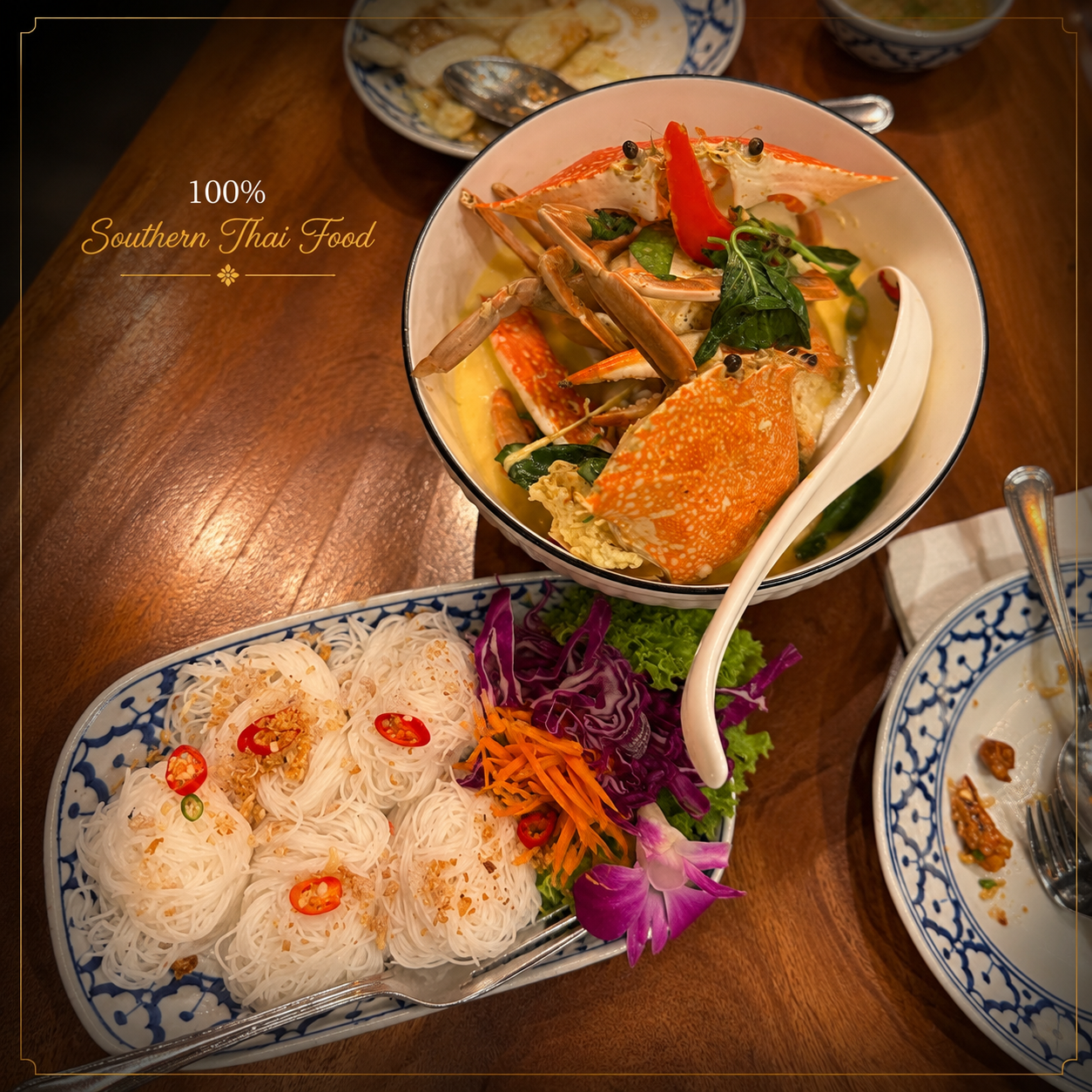
What Does Authentic Thai Food Really Mean?

What Does “Authentic Thai Food” Actually Mean?

The word “authentic” is used a lot when people talk about Thai food.

Almost every Thai restaurant wants to describe its food as authentic.

But what does that actually mean?

Is it because the chef is Thai?

Is it because the ingredients come from Thailand?

Is it because the recipe has been used for generations?

The answer isn’t quite that simple.

At Thong Thai Bistro, when we describe our food as authentic Southern Thai cuisine, we are talking about something much more personal.

We’re talking about the food Chef June grew up eating and the way she learned to cook it.


Authentic Doesn’t Necessarily Mean Commercial

One of the biggest misconceptions about authentic Thai food is that whatever is commonly served in Thai restaurants must automatically represent how Thai people cook at home.

That’s not necessarily true.

Restaurants have to operate commercially.

They have to consider consistency, preparation time, ingredient costs, customer expectations and what appeals to a broad audience.

There is absolutely nothing wrong with that.

But commercial Thai cooking and Thai home cooking can be very different.

A dish prepared for thousands of restaurant customers isn’t necessarily prepared in the same way a Thai mother would prepare it for her family.


So What Is Thai Home Cooking?

For many Thai families, cooking is deeply personal.

Recipes aren’t always written down.

Measurements aren’t necessarily precise.

A cook may taste the food and adjust it.

More chilli.

Less salt.

A little more sourness.

Another handful of herbs.

It depends on the ingredients available, the person cooking and the taste they are trying to achieve.

This is one reason authentic home-style cooking can be difficult to define.

There isn’t always a single universal recipe.

There is often a way of cooking.


Many Diners Have Never Experienced Thai Home Cooking

This is an important point.

Many people who enjoy Thai food have never actually eaten a meal cooked in a Thai home.

They may have travelled to Thailand.

They may have eaten at many Thai restaurants.

They may know the popular dishes extremely well.

But eating at a restaurant is different from being invited into a Thai family’s home.

If you’ve never experienced Thai home cooking, it can be difficult to know what “authentic” actually tastes like.

And that’s not a criticism.

It’s simply a matter of experience.


Chef June’s Definition of Authentic

Chef June grew up in Southern Thailand.

Her cooking is influenced by the flavours, ingredients and methods she knows from her own experience.

She doesn’t approach cooking by asking:Thong Thai Bistro Exterior
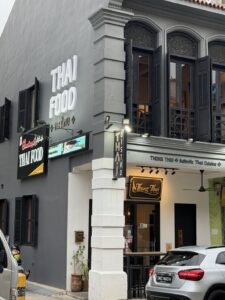
“How does everyone else make this dish?”

Her approach is much more personal:

“How should this taste?”

That distinction matters.

Her cooking is not based on trying to imitate a commercial Thai restaurant.

It is based on her own taste and her understanding of Thai cooking.


Authentic Food Doesn’t Have to Be Complicated

Another misconception is that authentic Thai food has to be extremely spicy or loaded with ingredients.

That’s not necessarily the case.

Thai cuisine is about balance.

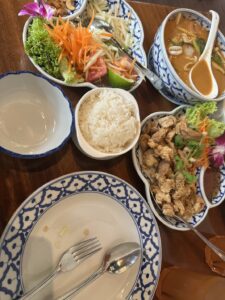
Sweet.Green Curry
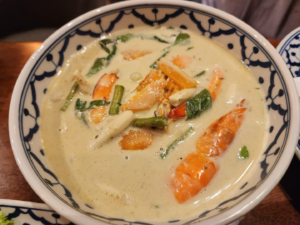
Sour.

Salty.

Spicy.

Aromatic.

Different dishes place different emphasis on these elements.

Some can be fiery.

Others can be delicate.

Authenticity isn’t measured by how much chilli is in the bowl.

It is about whether the flavours work together in the way they are intended to.


Why Fresh Ingredients Matter

Authentic cooking also depends on the ingredients.

Chef June is particular about freshness.

Vegetables are sourced frequently because we don’t want to compromise on quality.

Seafood is carefully selected.

Speciality ingredients may be sourced from Thailand when necessary.

And dishes are prepared fresh to order.

Why does this matter?

Because even the best recipe cannot produce the same result when the ingredients aren’t good.

A fresh ingredient gives the cook something to work with.


There Isn’t Always One “Correct” Thai Recipe

This is another misconception worth addressing.

Ask several Thai families how to prepare the same dish and you may receive several different answers.

One family may use more chilli.

Another may prefer it sweeter.

Another may make it more sour.

Another may add an ingredient that someone else would never use.

Does that automatically mean one version is authentic and the others aren’t?

Not necessarily.

Thai cooking, particularly home cooking, has enormous regional and family variation.

Southern Thailand itself has its own distinctive culinary traditions.

That’s why Chef June’s food reflects her Southern Thai background rather than attempting to represent every Thai cook in Thailand.


Restaurant Thai Food Isn’t Necessarily “Fake”

We also want to be fair.

Calling commercial Thai food “inauthentic” doesn’t mean it is bad.

A restaurant may deliberately adapt a dish to suit its customers.

It may reduce the chilli.

Adjust the sweetness.

Change an ingredient.

Simplify preparation.

That is simply part of running a commercial restaurant.

The important thing is understanding the difference.

Commercial cooking is designed for a restaurant.

Home cooking is often designed for the people sitting around the family table.

At Thong Thai Bistro, Chef June’s cooking is much closer to the latter philosophy.


Our Approach at Thong Thai Bistro

We aren’t trying to be the Thai restaurant that looks like every other Thai restaurant.

Chef June has her own way of doing things.

She is particular about ingredients.

She tastes her food.

She adjusts what needs adjusting.

She cooks to order.

And she has very strong opinions about what should and shouldn’t leave her kitchen.

Sometimes her methods are unconventional.

But the results are what matter.

Ultimately, authenticity isn’t something we can simply declare.

You have to taste it.


Authentic Southern Thai Cuisine in Little India

If you’re looking for Thai food in Singapore, there are many choices.

Some are casual.

Some are commercial chains.

Some are hawker-style.

Some are modern interpretations.

And some, like Thong Thai Bistro, focus on a more personal style of Southern Thai cooking.

We’re not claiming that our way is the only way to cook Thai food.

We simply believe in Chef June’s way.

It’s the food she knows.

It’s the food she believes in.

And it’s the standard she wants to serve.


The Real Test of Authenticity

Perhaps the simplest test is this:

Does the food taste like it was prepared by someone who genuinely understands the cuisine?

Not just someone following a recipe.

But someone who knows what the ingredients should taste like.

Someone who understands balance.

Someone who knows when something isn’t quite right.

That’s what Chef June brings to our kitchen.

And that’s what we mean when we talk about authentic Southern Thai food.


Come Taste the Difference

If you’ve only experienced Thai food through commercial restaurants, we invite you to try something a little different.

Come to Little India.

Sit down.

Talk to us.

Let Chef June cook for you.

And decide for yourself what authentic Southern Thai cooking tastes like.

Thong Thai Bistro — authentic Southern Thai cuisine in Little India, Singapore.


Frequently Asked Questions

What does authentic Thai food mean?

Authentic Thai food can mean different things, but at Thong Thai Bistro we use the term to describe cooking influenced by Thai home-style methods, traditional flavours, quality ingredients and Chef June’s Southern Thai background.

Is authentic Thai food always spicy?

No. Thai cuisine is about balance rather than simply heat. Different dishes can have different levels of sweetness, sourness, saltiness, spice and aroma.

Is restaurant Thai food different from Thai home cooking?

It can be. Commercial restaurants often adapt dishes for broader customer preferences, consistency and operational requirements. Thai home cooking is generally more personal and can vary significantly between families and regions.

Does authentic Thai food have to use ingredients from Thailand?

Not necessarily. Freshness and quality are important. Some speciality Thai ingredients may need to be imported, while excellent local ingredients can also be used.

Why does Chef June describe her cooking as Southern Thai?

Chef June grew up in Southern Thailand, and her cooking reflects the flavours, techniques and personal taste she developed from that background.
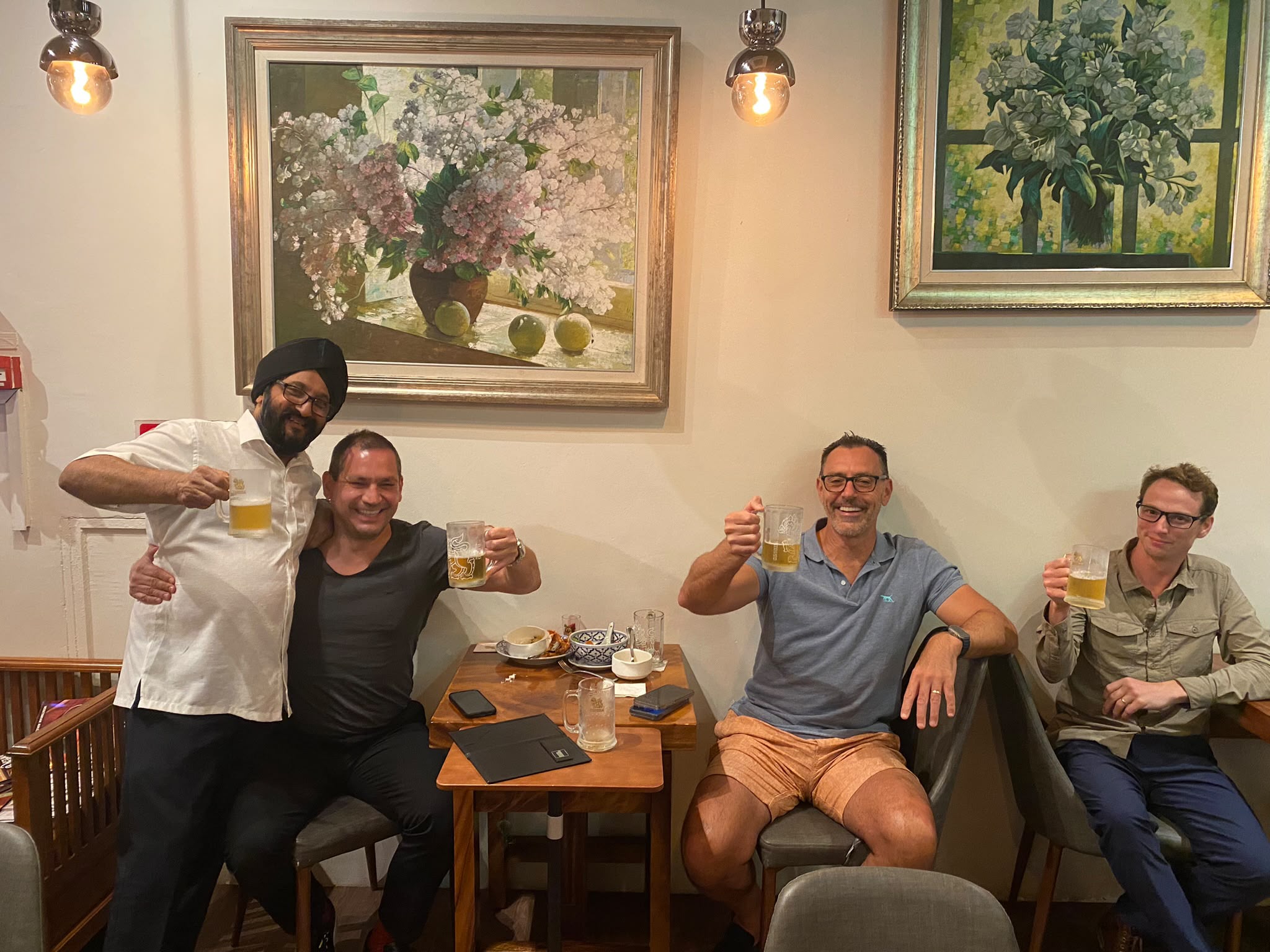
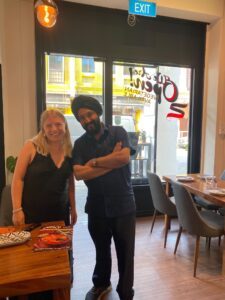
The Story Behind the Atmosphere at Thong Thai Bistro

Our Atmosphere Wasn’t Designed. It Came From Our Story.

When people talk about a restaurant’s atmosphere, they often talk about the décor.

The furniture.

The lighting.

The colour scheme.

The music.

Perhaps even the interior designer who created it.

At Thong Thai Bistro, our story is rather different.

Our atmosphere wasn’t carefully designed.

It happened.

And perhaps that’s why guests sometimes describe our restaurant as cosy, comfortable, friendly and homely.


Starting Again After COVID

When we returned from Thailand after COVID, we were starting almost from scratch.

We had three children.

We had no work.

And we had to figure out how to rebuild our lives in Singapore.

It wasn’t an easy period.

We didn’t have the resources to create a large, beautifully designed restaurant with an expensive interior.

So we made do with what we had.

And we started working.

Chef June volunteered to take charge of the kitchen.

Her motivation was simple: we needed to put food on the table for our children, rebuild our lives and become useful members of the community again.

That’s how Thong Thai Bistro began its journey.


No Fancy Designer. No Pretence.

We didn’t bring in an expensive restaurant designer to tell us what our restaurant should look like.

We simply created a place where people could sit comfortably, enjoy good food and have a conversation.

There is something quite liberating about that.

We don’t pretend to be something we’re not.

Our restaurant is simple.

Our food is real.

And our hospitality is personal.

Perhaps that is what some guests pick up on when they describe our atmosphere.


A Family Behind the Restaurant

Thong Thai Bistro isn’t a restaurant operated by a faceless company.

It is a family business.

Chef June is in the kitchen.

Her cooking is based on her experience, her taste and her understanding of Southern Thai food.

And outside the kitchen, we are doing everything we can to make sure our guests feel welcome.

There are good days.

There are difficult days.

There are days when the kitchen is extremely busy.

There are days when we wonder how we are going to get everything done.

But we keep going.

Because this restaurant is much more than a business to us.

It is part of how we rebuilt our lives.


Why Our Restaurant Feels Different

We believe hospitality doesn’t have to be complicated.

You don’t need expensive furniture to make people comfortable.

You don’t need elaborate décor to create a welcoming environment.

Sometimes it comes from something much simpler.

A genuine welcome.

A conversation.

Remembering a returning guest.

Helping someone decide what to order.

Laughing with customers.

And enjoying the work you’re doing.

We genuinely enjoy what we do.

And perhaps guests can feel that.


Our Food Follows the Same Philosophy

Interestingly, our approach to the restaurant is very similar to our approach to food.

We don’t try to make things look more impressive than they really are.

Chef June cooks with fresh ingredients and prepares dishes to order.

Our seafood is carefully selected.

Our vegetables are sourced frequently because freshness matters to us.

And we don’t believe in making food look spectacular for a photograph and then serving something different to the customer.

What you see is what we serve.

The same philosophy applies to the restaurant itself.

What you see is what you get.


We Are Still Building

We don’t want to give the impression that everything is perfect.

It isn’t.

We are still working hard.

We are still learning.

We are still trying to improve.

Thong ThaiAnd, like many small family businesses, we are still finding our way.
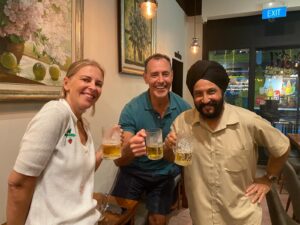
But perhaps that’s part of what makes the journey meaningful.

We started with very little.

Today, we have guests walking through our doors from Singapore and from around the world.

Some come for the food.

Some discover us while exploring Little India.

Some come because a friend recommended us.

And some simply walk in because they happen to see us.

Whatever brings them here, we’re grateful.


When Guests Notice the Atmosphere

One recent guest described our restaurant as having a “lovely cozy homely feel” with a friendly owner and an excellent Thai chef wife.

Another guest gave us 5 stars for atmosphere.

These comments mean a lot because creating a homely environment was never something we set out to manufacture.

It came naturally from our circumstances.

We are a family.

We work together.

We care about what comes out of the kitchen.

And we enjoy meeting people.

Perhaps that is what guests are feeling when they sit down at our tables.


A Restaurant Built From a Difficult Beginning

Looking back, the period after COVID was incredibly difficult.

But it also gave us an opportunity.

An opportunity to start again.

An opportunity for Chef June to do what she loves — cook.

And an opportunity for us to create a restaurant that reflects who we are.

We may not have the fanciest restaurant in Singapore.

Friends We aren’t trying to.

We want to be a place where the food is taken seriously, the ingredients are fresh, the cooking is authentic and the people are friendly.

That’s enough for us.


Come As Guests, Leave As Friends

Perhaps the greatest compliment isn’t when someone says the restaurant is beautiful.

It is when someone says:

“We felt at home.”

That is the atmosphere we hope to create.

Not manufactured.

Not pretentious.

Just genuine.

If you’re exploring Little India Singapore, shopping around Mustafa Centre, visiting the area’s temples and heritage attractions, or simply looking for an authentic Southern Thai restaurant, come and see us.

Sit down.

Have a meal.

Talk to us.

And hopefully, for a little while, you’ll feel at home too.

Thong Thai Bistro — a family-run Southern Thai restaurant in Little India, Singapore.

Stir-Fried Basil Singapore: A Thai Classic Cooked Your Way

Stir-Fried Basil: A Thai Classic That Doesn’t Need Complicated Ingredients

Some of the best Thai dishes are surprisingly simple.

Stir-Fried Basil is one of them.

At first glance, it may seem like an uncomplicated dish — basil, chilli, seasoning and your choice of protein.

But simplicity doesn’t mean it’s easy.

Getting the right balance of aroma, seasoning, heat and texture requires careful cooking.

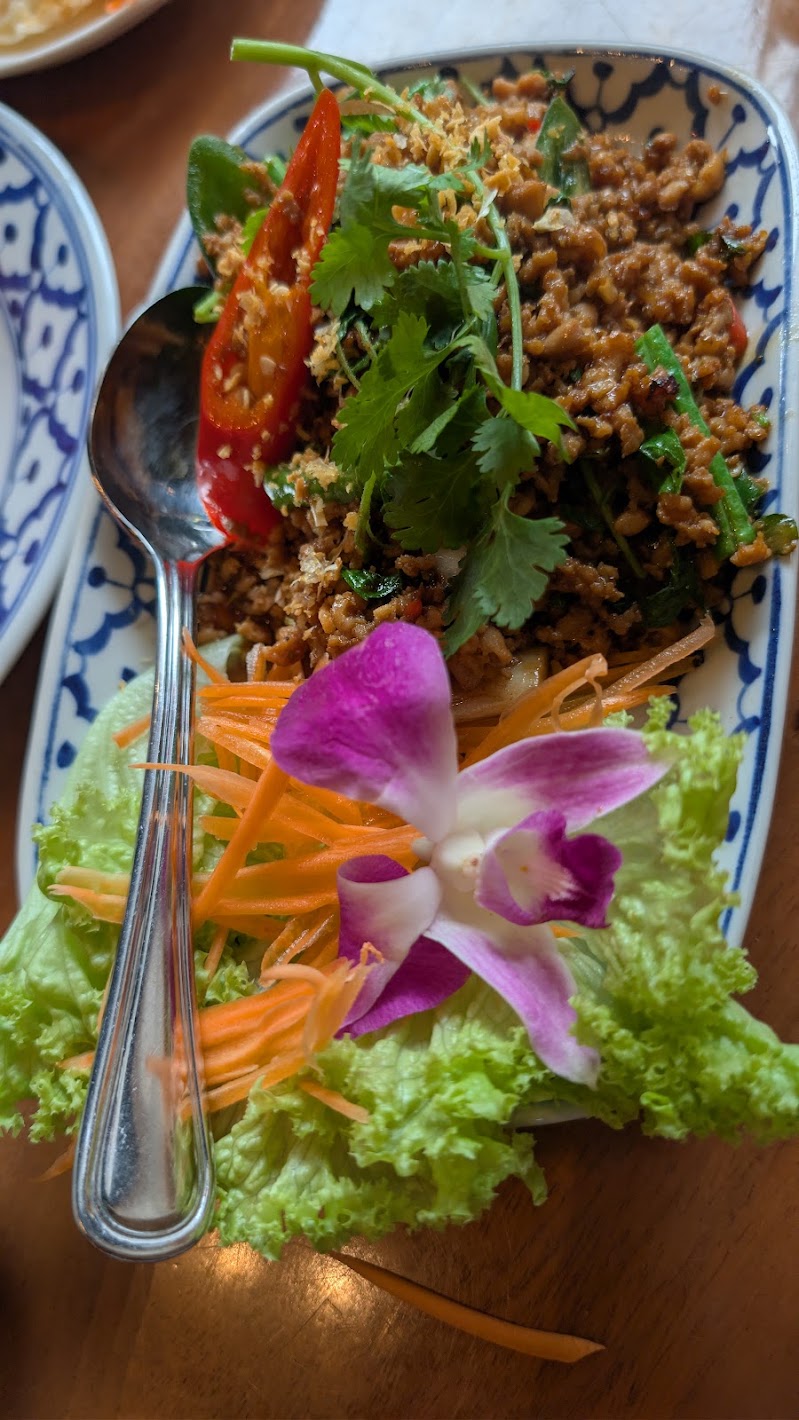
At Thong Thai Bistro, Chef June prepares our Stir-Fried Basil fresh to order, giving guests the freedom to choose exactly how they want it.

And there are more choices than you might expect.


Choose Your Stir-Fried Basil

Our Stir-Fried Basil can be prepared with:

  • Minced chicken
  • Prawns
  • Squid
  • Seafood
  • Tofu
  • Paneer

The most popular choice is undoubtedly minced chicken.

It is the classic combination many guests associate with Thai basil dishes, and the minced chicken works particularly well with the fragrant basil and spicy, savoury seasoning.

But don’t automatically choose chicken.

If you enjoy seafood, try prawns, squid or our seafood version.

If you’re vegetarian, you can choose tofu.

And for something a little different, we can prepare it with paneer.


Thai Basil with Minced Chicken

Our minced chicken version is an all-time favourite.

The minced chicken provides a wonderful texture because the seasoning coats the small pieces of meat, allowing every mouthful to carry the flavour of the basil and Thai seasonings.

It is also one of those dishes that can be adjusted to suit different preferences.

Want it spicy?

We can do that.

Prefer something milder?

That’s fine too.

The important thing is that Chef June cooks it fresh when you order it.


Stir-Fried Basil for Seafood Lovers

Thai cuisine and seafood are a natural combination.

Our Stir-Fried Basil can be prepared with prawns, squid or seafood, giving the dish a completely different character.

Fresh prawns bring sweetness.

Squid brings a different texture.

Seafood provides a combination of flavours and textures in every bite.

The basil and seasoning tie everything together.


Vegetarian? You Have Options Too

Thai food isn’t just about meat and seafood.

At Thong Thai Bistro, our Stir-Fried Basil can be prepared with tofu or paneer.

Tofu provides a lighter, more traditional plant-based option.

Paneer offers something completely different — a richer, more substantial texture that works surprisingly well with Thai basil and seasoning.

This gives vegetarian diners more choice rather than simply removing the meat from a dish.


The Spice Level Is Your Choice

Thai food has a reputation for being spicy.

And sometimes that’s exactly what you want.

But not everyone has the same tolerance for chilli.

That’s why we allow guests to choose their preferred spice level.

Whether you prefer very mild, less spicy, regular spicy or extra spicy, let us know when ordering.

The goal isn’t simply to make the dish as hot as possible.

The goal is to make it enjoyable.


Why Fresh Cooking Matters

Stir-Fried Basil is a dish that benefits enormously from being cooked fresh.

The basil needs to retain its fragrance.

The protein needs to be cooked properly.

The seasoning needs to come together in the wok.

And the dish needs to reach your table while everything is still at its best.

That’s why Chef June prepares it when the order reaches the kitchen.

There is no need to overcomplicate the process.

Fresh ingredients + proper cooking + the right balance = a great plate of Thai food.


Which One Should You Order?

If it’s your first time trying our Stir-Fried Basil, we’d suggest starting with:

🥇 Minced Chicken

The most popular and the classic choice.

🥈 Prawns

Ideal if you enjoy the combination of Thai basil and fresh seafood.

🥉 Squid or Seafood

For seafood lovers who want something a little different.

🌱 Tofu

A great vegetarian option.

🧀 Paneer

For vegetarians looking for something less conventional.

There really isn’t one “correct” version.

The best version is the one you enjoy.


A Simple Thai Dish Done Properly

One of our guests recently described our food simply as:

“Very delicious! Highly recommend.”

We love comments like this because Stir-Fried Basil is exactly the kind of dish where technique matters more than unnecessary complexity.

Thai spicy soupChef June doesn’t need to turn it into something fancy.
She simply wants it to taste right.

And that is what we aim for at Thong Thai Bistro.


Try Stir-Fried Basil at Thong Thai Bistro

Whether you choose minced chicken, prawns, squid, seafood, tofu or paneer, our Stir-Fried Basil is prepared fresh to order.

Choose your protein.

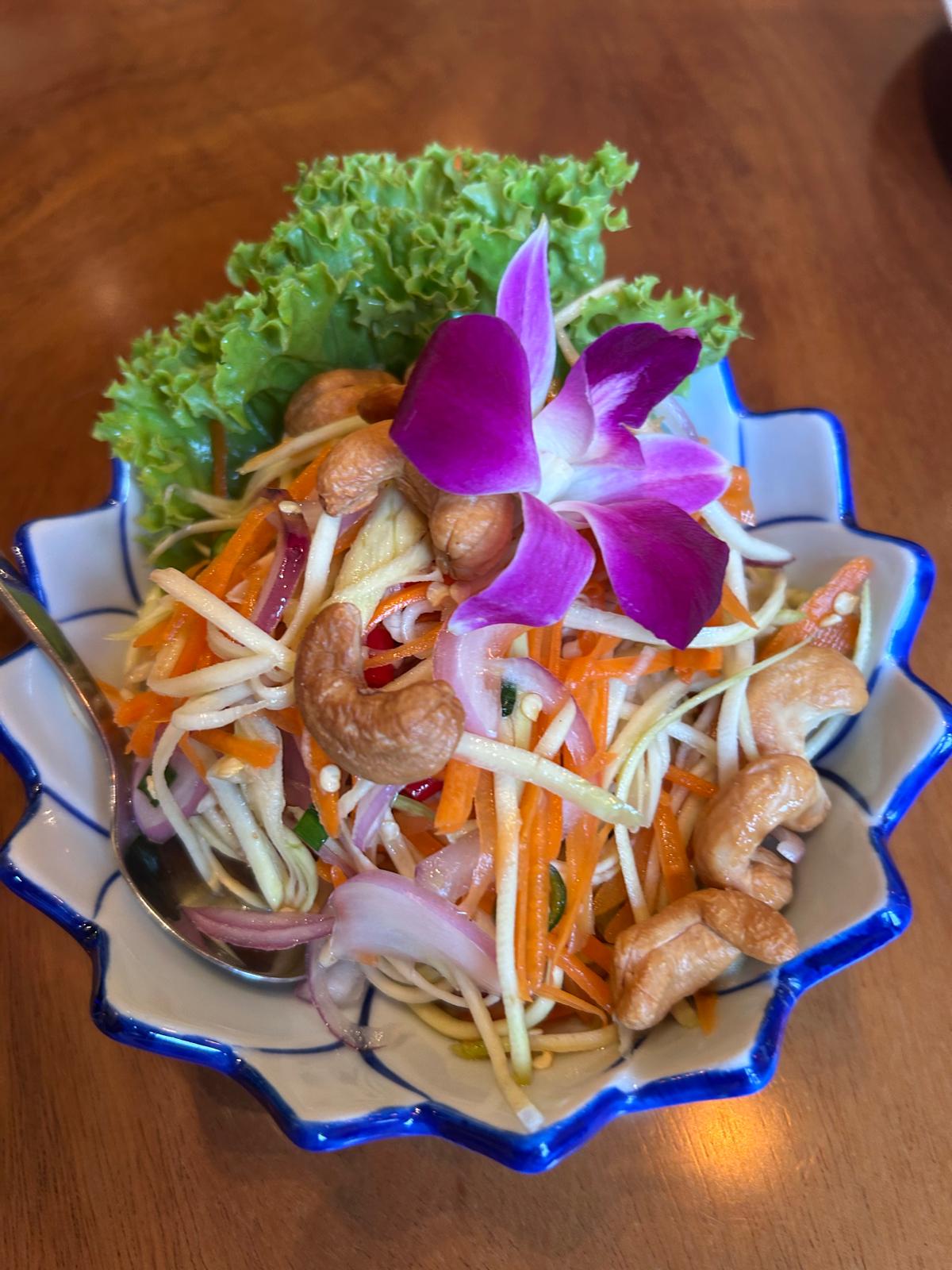
Choose your spice level.Mango Salad

Then let Chef June do the rest.

Thong Thai Bistro — authentic Southern Thai cuisine in Little India, Singapore.


Frequently Asked Questions

What protein can I choose with Stir-Fried Basil?

At Thong Thai Bistro, you can choose minced chicken, prawns, squid, seafood, tofu or paneer.

What is the most popular Stir-Fried Basil?

Our Stir-Fried Basil with minced chicken is the most commonly ordered version.

Can Stir-Fried Basil be vegetarian?

Yes. We offer both tofu and paneer options.

Can I choose the spice level?

Yes. Guests can request their preferred level of spiciness, from very mild to extra spicy.

Is Stir-Fried Basil cooked fresh?

Yes. Chef June prepares the dish fresh to order.


Indian Heritage Centre Singapore: Visit Little India and Have Lunch at Thong Thai Bistro

Indian Heritage Centre Singapore: A Great Starting Point for Exploring Little India

If you are visiting Singapore and want to understand more about the country’s multicultural history, Little India is an excellent place to spend a few hours.

And one of the best places to begin is the Indian Heritage Centre.

Located in the heart of Little India, the centre explores the history, heritage and contributions of the Indian community in Singapore and Southeast Asia.

For tourists, it provides useful context before heading outside to explore the neighbourhood itself.

Because once you understand a little of the history, the streets of Little India become even more interesting.


Visit the Indian Heritage Centre

The Indian Heritage Centre is more than just another museum to tick off a Singapore itinerary.

Its exhibitions explore the history and heritage of the Indian community and help visitors understand the connections between Singapore and the wider Indian diaspora.

You can spend time exploring the galleries before heading outside to discover Little India for yourself.

The experience works particularly well for visitors who want to understand Singapore’s multicultural heritage, rather than simply taking photographs of the neighbourhood.


Then Explore Little India on Foot

Once you leave the Indian Heritage Centre, don’t immediately jump into a taxi or head back to your hotel.

Walk.

This is one of the best ways to experience Little India.

Explore the streets around the centre and you’ll find colourful buildings, traditional shops, restaurants, flower garlands, textiles, jewellery, spices and religious landmarks.

You can also continue towards some of the area’s other attractions, including:

  • Sri Srinivasa Perumal TempleIndian Heritage singapore
  • Mustafa Centre
  • Tekka Centre
  • Little India Arcade
  • Former House of Tan Teng Niah
  • Serangoon Road

There is plenty to see without travelling very far.


And Then It’s Time for Lunch

After visiting the Indian Heritage Centre and walking around Little India, there is one problem.

You’re probably hungry.

That’s where we come in.

Thong Thai Bistro is located in the Little India area and offers something a little different from the traditional Indian cuisine associated with the neighbourhood.

We serve authentic Southern Thai cuisine.

And we think that’s one of the great things about Singapore.

You can spend the morning learning about Indian heritage, walk through one of Singapore’s most culturally vibrant neighbourhoods and then sit down to enjoy Thai food.Indian town

Different cultures.

Different traditions.

Different cuisines.

All within the same neighbourhood.


What to Have for Lunch at Thong Thai Bistro

If you’re visiting us for lunch after exploring Little India, there are plenty of dishes to consider.

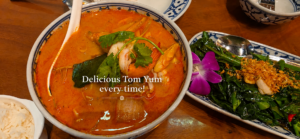
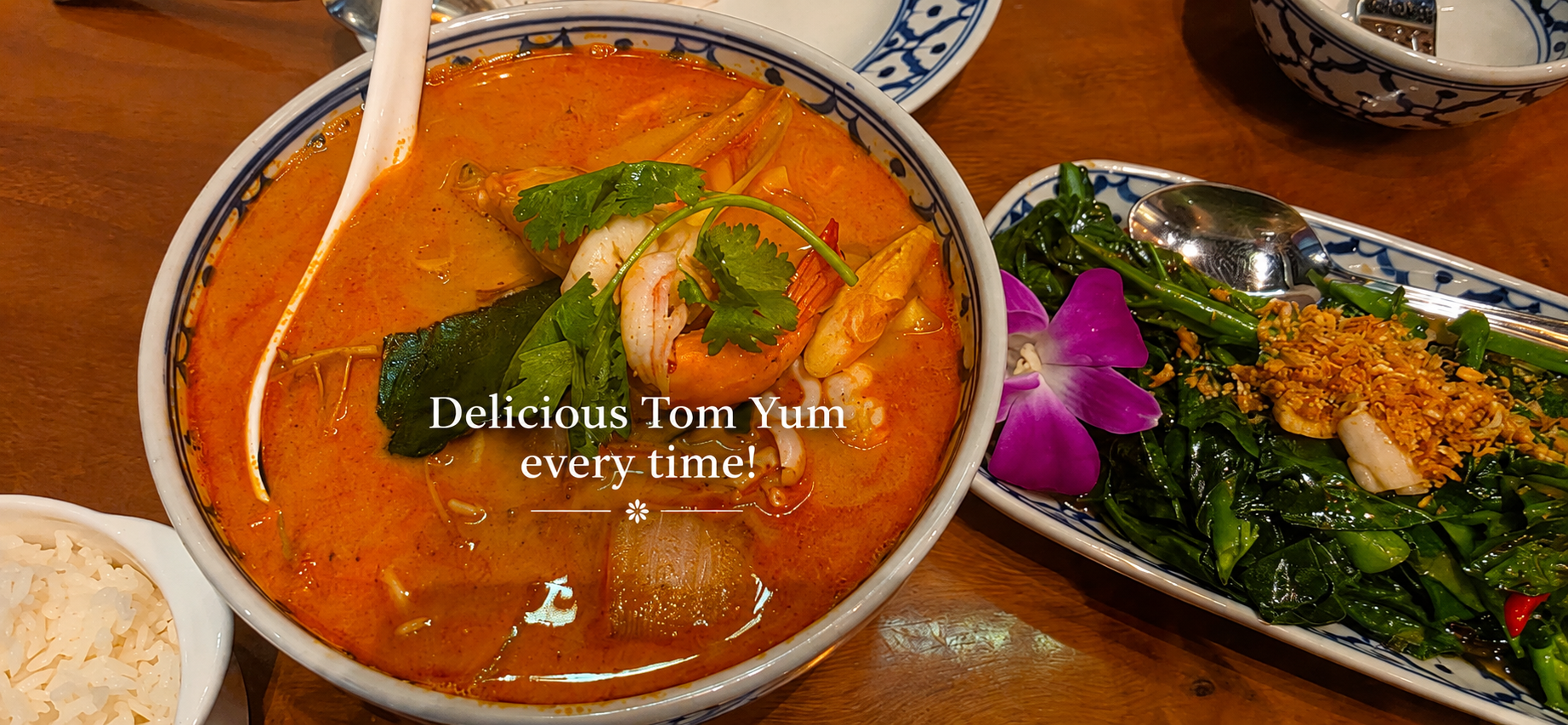
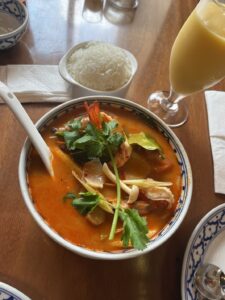
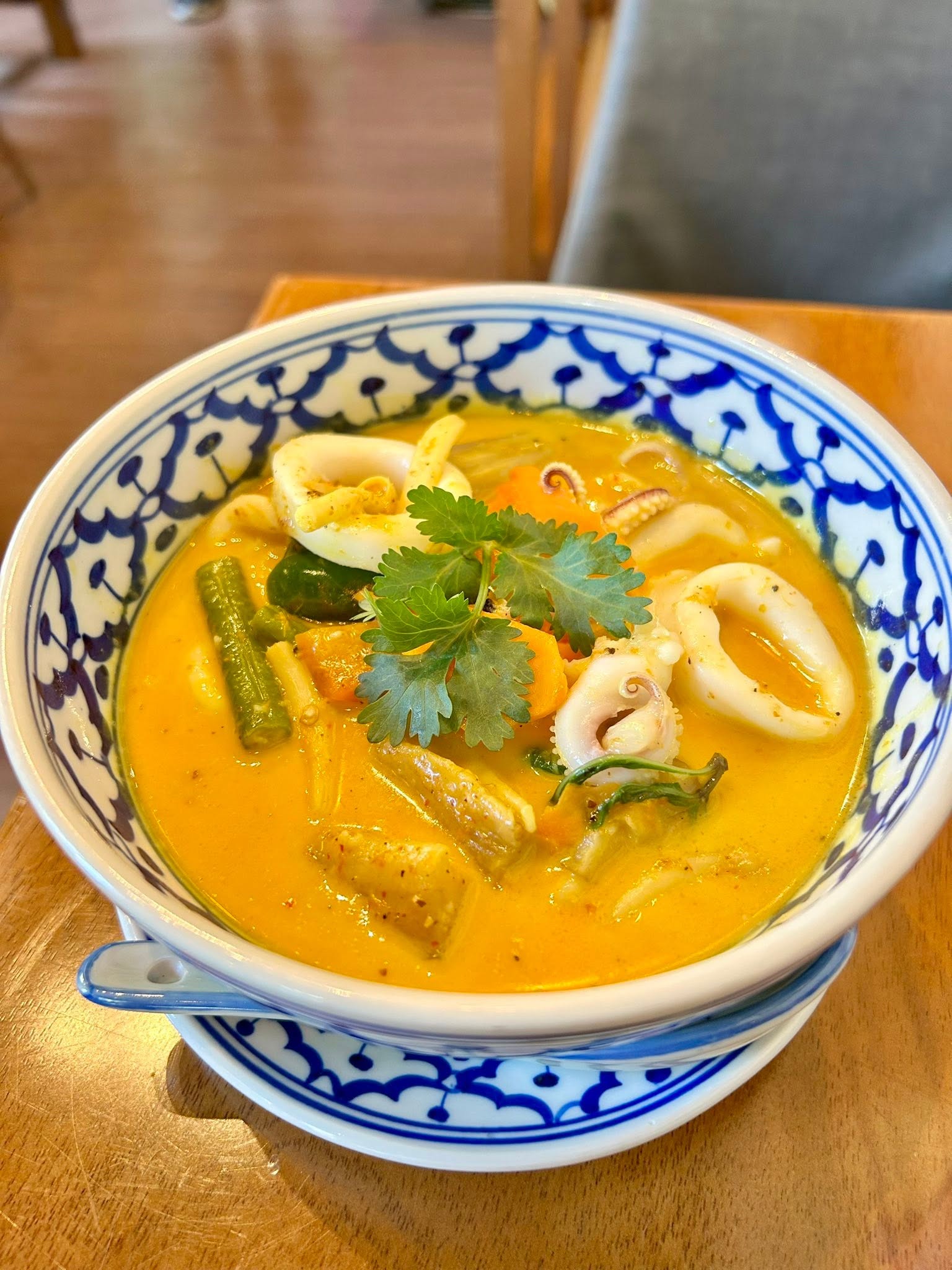
Tom Yum Soup

Every bowl is prepared fresh when the order reaches the kitchen.

Chef June doesn’t simply take a pre-prepared Tom Yum base and heat it up.

She starts each order properly, adding the ingredients that create the distinctive hot, sour and aromatic flavour.

You can also choose your preferred level of spice.

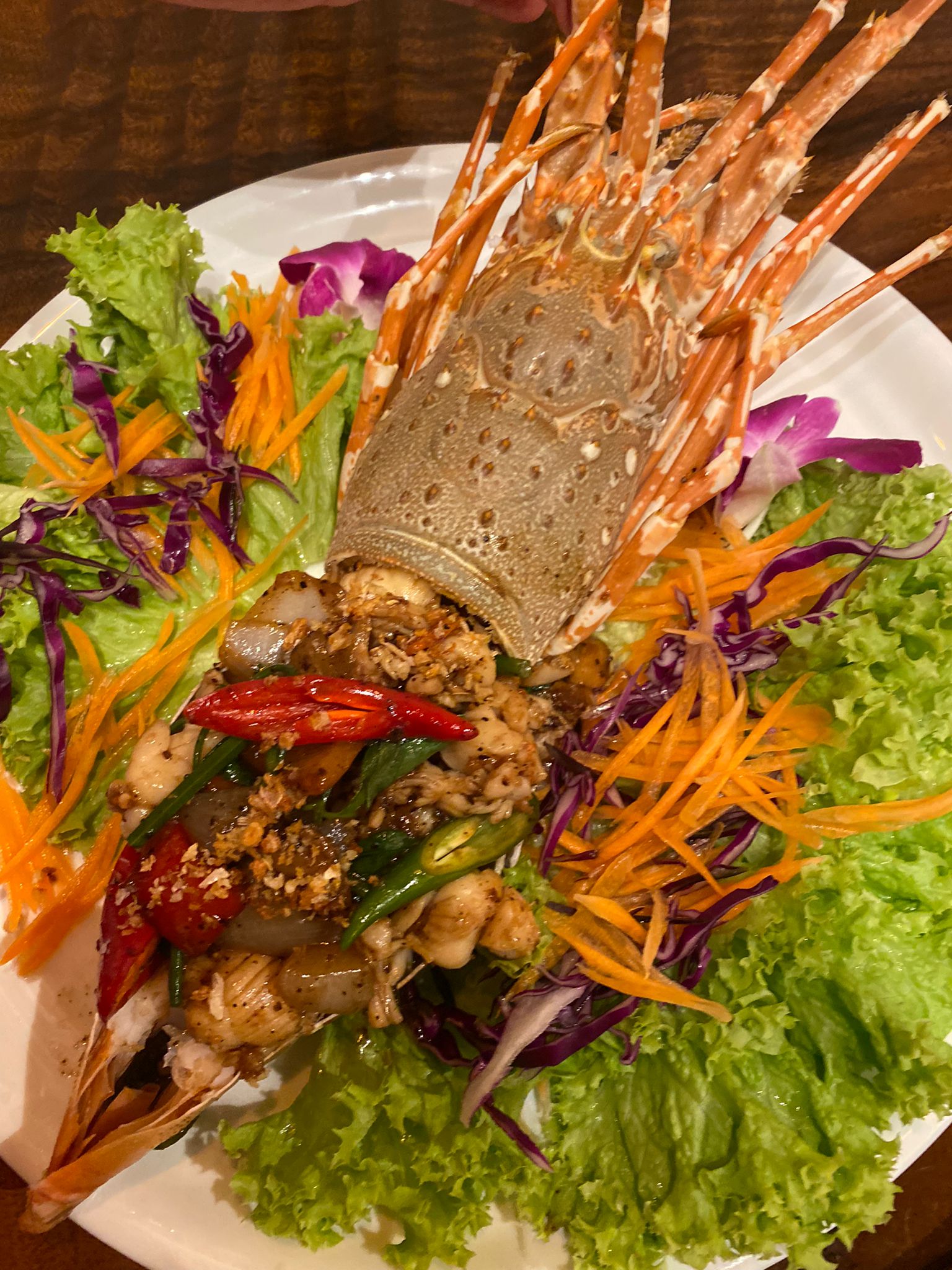
Jumbo Prawns in Tamarind Sauce

Fresh seafood is one of our priorities.

Our Jumbo Prawns in Tamarind Sauce combine carefully selected prawns with Chef June’s tamarind sauce.

It has become one of the dishes our guests talk about most.

Pad Thai

Chef June personally prepares our Pad Thai sauce.

She has also developed her own method of preparing the noodles so that they absorb the flavour without becoming excessively oily.

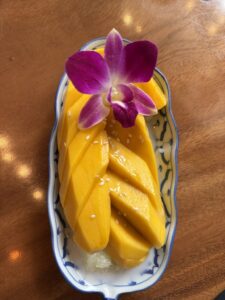
Mango Sticky Rice

If you have room for dessert, this is one of our signatures.

Chef June is extremely particular about the mangoes.

If the mangoes aren’t sweet enough, we don’t serve Mango Sticky Rice that day.

We would rather disappoint someone by not having it than serve a mango that doesn’t meet her standard.


A Simple Little India Itinerary

If you’re visiting Singapore, you could easily make a half-day experience out of this part of the city.

Step 1 — Indian Heritage Centre

Spend some time learning about Indian heritage in Singapore.

Step 2 — Explore Little India

Walk through the streets, visit the shops and take in the architecture and atmosphere.

Step 3 — Visit a Temple

Consider visiting Sri Srinivasa Perumal Temple or another religious landmark in the neighbourhood.

Remember that these are active places of worship, so visitors should be respectful of devotees and religious practices.

Step 4 — Lunch

Finish your exploration with a freshly prepared meal at Thong Thai Bistro.

Heritage → Culture → Exploration → Food.

That’s a pretty good way to spend a morning in Singapore.


Why We Love Little India

We are fortunate to be part of this neighbourhood.

Little India isn’t simply a place where tourists come to take photographs.

It is a living neighbourhood.

People work here.

People worship here.

People shop here.

People eat here.

And people have called this area home for generations.

That’s what makes exploring it so interesting.

And we are happy that Thong Thai Bistro can play a small part in the experience.


Visiting the Indian Heritage Centre and Looking for Lunch?

If you’re planning to visit the Indian Heritage Centre, why not combine it with a Little India food adventure?

Visit the heritage centre.

Explore Little India.

Take in the temples and architecture.

Then come and enjoy authentic Southern Thai food at Thong Thai Bistro.

We’d be delighted to welcome you.


Frequently Asked Questions

What is the Indian Heritage Centre?

The Indian Heritage Centre is a museum and heritage centre in Little India Singapore that explores the history and heritage of the Indian community in Singapore and Southeast Asia.

What can I do after visiting the Indian Heritage Centre?

You can explore Little India’s streets, visit temples, shop at Mustafa Centre or Tekka Centre, see heritage buildings and stop for lunch at one of the neighbourhood’s many restaurants.

Where can I eat after visiting the Indian Heritage Centre?

Thong Thai Bistro is located in the Little India area and serves authentic Southern Thai cuisine, including Tom Yum Soup, Pad Thai, Jumbo Prawns in Tamarind Sauce and Mango Sticky Rice.

Is Little India worth visiting in Singapore?

Yes. Little India offers visitors a combination of history, culture, religious heritage, shopping, architecture and food, making it one of Singapore’s most distinctive neighbourhoods.

Sri Srinivasa Perumal Temple Singapore: A Little India Visit and Where to Eat Afterwards

Sri Srinivasa Perumal Temple Singapore: A Little India Experience

If you are visiting Singapore and want to experience more than shopping malls and modern attractions, Little India is one of the neighbourhoods you should put on your itinerary.

The area is filled with colour, food, temples, shops, markets and cultural landmarks. Singapore Tourism Board describes Little India as one of Singapore’s vibrant neighbourhoods, where historic traditions and modern life come together.

One of the most important landmarks in the area is Sri Srinivasa Perumal Temple.

Located at 397 Serangoon Road, the temple is an active place of worship and an important part of Singapore’s Hindu heritage.

For visitors, it can be a fascinating stop while exploring Little India.

And once you have finished exploring, there is another important question:

Where are you going to eat?


Visiting Sri Srinivasa Perumal Temple

Sri Srinivasa Perumal Temple is dedicated to Lord Vishnu in his form as Srinivasa Perumal.

The temple remains an active place of worship, so visitors should approach the experience respectfully. It isn’t simply a tourist attraction — devotees come here to pray and participate in religious ceremonies.

The temple’s official website currently lists its general operating hours as:

Morning: 6:00am–12:00pm
Evening: 6:00pm–9:00pm

Daily prayer and offering times can vary, and the temple publishes its prayer schedule separately.

If you are planning a visit specifically for worship or a particular ceremony, it is sensible to check the temple’s official information before travelling.


Why Little India Is Worth Exploring

The temple is only one part of the experience.

Walk through the surrounding streets and you will encounter traditional shops, flower garlands, spices, jewellery, textiles, restaurants and colourful buildings.

Singapore Tourism Board’s Little India guide highlights attractions including Sri Srinivasa Perumal Temple, Mustafa Centre, Tekka Centre, the Indian Heritage Centre and the former House of Tan Teng Niah.

This makes Little India particularly enjoyable for visitors who like to explore on foot.

You can visit a temple, shop for souvenirs, look at colourful architecture, stop for a drink or meal and continue exploring — all within the same neighbourhood.


What to Do After Visiting the Temple

After spending time at Sri Srinivasa Perumal Temple, you may want to continue exploring Little India.

You could visit:

  • Mustafa Centre

    Sri Srinivasa Perumal Temple inside
    serangoon road temple
  • Tekka Centre
  • Indian Heritage Centre
  • The former House of Tan Teng Niah
  • Little India Arcade
  • The surrounding streets and murals

The former House of Tan Teng Niah, for example, is a particularly popular photography stop. Singapore Tourism Board describes it as the last surviving Chinese villa in Little India and notes its distinctive European and Chinese architectural influences.

And eventually, after all that walking, you will probably be hungry.


Where to Eat Near Sri Srinivasa Perumal Temple

This is where Thong Thai Bistro comes into the story.

We are located in the Little India area, making it convenient to combine a visit to Sri Srinivasa Perumal Temple with a meal.

But why Thai food after visiting a Hindu temple in Little India?

Because that is one of the things we love about Singapore.

You can experience Indian heritage in the morning, explore Little India during the afternoon and then sit down to a completely different cuisine in the evening.

Singapore is a city where different cultures and cuisines sit comfortably alongside each other.


Thai Food in Little India

At Thong Thai Bistro, Chef June prepares authentic Southern Thai cuisine.

Our food is prepared to order, with particular attention given to fresh ingredients.

Some of the dishes our guests particularly enjoy include:

Tom Yum Soup

Every bowl starts from scratch when the order reaches the kitchen. Chef June does not rely on a large batch of pre-prepared Tom Yum base.

You can also choose your preferred level of spice.

Jumbo Prawns in Tamarind Sauce

Fresh jumbo prawns combined with Chef June’s tamarind sauce have become one of our most talked-about dishes.

Pad Thai

Chef June personally prepares the sauce for our Pad Thai and has developed her own method of preparing the noodles so that they are flavourful without becoming excessively oily.

Mango Sticky Rice

One of our signature desserts.

Chef June is particularly strict about the mangoes. If the mangoes aren’t sweet enough, we don’t serve the dish.

Vegetarian Thai Food

Thai cuisine offers an enormous range of vegetarian possibilities, and we have many choices for guests who don’t eat meat or seafood.


A Good Combination: Temple, Little India and Thai Food

One of the easiest ways to enjoy this part of Singapore is simply to take your time.

Visit Sri Srinivasa Perumal Temple.Thai food

Walk through Little India.

Explore the shops and sights.

Take some photographs.

Then sit down for a meal.

You don’t need to rush from attraction to attraction.

Little India is best experienced slowly — by walking, looking, tasting and taking in the atmosphere.

And if you are hungry after exploring, we’d be delighted to welcome you at Thong Thai Bistro.


For Visitors to Singapore

If you’re visiting Singapore from overseas, Little India is an excellent neighbourhood to include in your itinerary.

It offers something quite different from Marina Bay, Orchard Road or Sentosa.

Here you can experience living cultural traditions alongside everyday Singaporean life.

And that’s what makes the neighbourhood so interesting.

Come for the temple.

Sri Srinivasa Perumal Temple inside
serangoon road temple

Stay for Little India.

Explore the food.

And perhaps finish your day with a plate of Thai food at Thong Thai Bistro.


Frequently Asked Questions

Where is Sri Srinivasa Perumal Temple?

Sri Srinivasa Perumal Temple is located at 397 Serangoon Road, Singapore 218123.

What are the temple’s opening hours?

The temple’s official website currently lists general operating hours of 6:00am–12:00pm and 6:00pm–9:00pm. Prayer and ceremony times may differ.

What else can I see near Sri Srinivasa Perumal Temple?

Little India has numerous attractions, including Mustafa Centre, Tekka Centre, the Indian Heritage Centre and the former House of Tan Teng Niah.

Where can I eat after visiting Sri Srinivasa Perumal Temple?

Thong Thai Bistro offers authentic Southern Thai cuisine in the Little India area, including Tom Yum, Pad Thai, Jumbo Prawns in Tamarind Sauce, Mango Sticky Rice and vegetarian Thai dishes.

Reservations or Take Away

Tom Yum Soup Singapore: Why Every Bowl at Thong Thai Bistro Starts From Scratch

Tom Yum Soup Singapore: Why Every Bowl Starts From Scratch

Tom Yum Soup is one of Thailand’s most famous dishes.

It is recognised around the world for its distinctive combination of hot, sour, fragrant and spicy flavours.

But there is one thing Chef June refuses to compromise on.

Every bowl starts from scratch.

At Thong Thai Bistro, we don’t prepare a large quantity of Tom Yum base in advance and keep it waiting for the next customer.

We don’t simply heat up a pre-made soup and add a few ingredients when an order arrives.

When your order reaches the kitchen, that’s when Chef June starts preparing your Tom Yum.


No Pre-Prepared Tom Yum Base

Preparing Tom Yum properly requires a combination of ingredients.

The distinctive flavour doesn’t come from one sauce or one packet.

It is built through multiple ingredients, including the familiar flavours of:

  • lemongrass;
  • galangal;
  • kaffir lime leaves;
  • fresh chillies;
  • lime;
  • and other Thai herbs and ingredients.

Each ingredient contributes something different.

Some provide fragrance.

Some provide heat.

Some bring acidity.

Some create depth.

When everything comes together, the result is the unmistakable character of a good Tom Yum Soup.

Chef June believes this process should begin when the customer places the order.

It is more work.

It requires more preparation.

And it takes more time.

But she will only do it this way.


A Bowl of Tom Yum Is Built, Not Simply Heated

There are shortcuts available in any kitchen.

A restaurant can prepare a large quantity of soup base in advance.

It can be portioned, stored and reheated throughout the day.

That is not how Chef June prepares our Tom Yum.

Each order is prepared individually.

That allows the ingredients, spice and final flavour to come together fresh.

It also means that one customer’s Tom Yum can be prepared differently from another’s.

Because not everyone enjoys the same level of heat. Enjoy Dine-INor Takeaway.


Choose Your Own Spice Level 🌶️

Thai food should be enjoyed.

And while Tom Yum is famous for its spicy character, we don’t believe every customer should suffer just to prove that they can eat spicy food!

At Thong Thai Bistro, you can choose:

🌶️ Bare Minimum Spicy

For diners who want the flavour of Tom Yum without too much heat.

🌶️ Less Spicy

A gentle amount of spice.

🌶️ Regular Spicy

For those who enjoy Tom Yum with its proper kick.

🌶️ Extra Spicy

For the brave!

The flavour remains important at every level.

Spice should add to the experience—not simply overpower everything else.


Choose What Goes Into Your Tom Yum

We also give diners a choice of ingredients.

Depending on your preference, you can enjoy Tom Yum with:Soup Thai

This means that Tom Yum doesn’t have to be reserved only for seafood lovers.

Vegetarians and diners who prefer chicken or paneer can enjoy the same aromatic Thai flavours.


Clear Tom Yum or Creamy Tom Yum?

Another choice is the style of soup.

Our Clear Tom Yum delivers the classic hot and sour character of the dish.

For diners who enjoy something richer, we also offer a version with a thicker base created with coconut milk.

The flavour remains unmistakably Tom Yum, but the experience is different.

Some diners love the sharp, bright character of the clear version.

Others enjoy the richness of the creamy version.

The good news?

There is no wrong answer.


One of Our Most Frequently Ordered Soups

A recent guest visited Thong Thai Bistro for the second time and specifically mentioned our Tom Yum Soup.

That always means something to us.

Anyone can enjoy a dish on their first visit.

But when someone returns and orders again, that’s a different kind of compliment.

It tells us that the experience stayed with them.

And that’s exactly why Chef June continues to insist that every bowl should start from scratch.


Fresh Ingredients. Made to Order. One Bowl at a Time.

Our philosophy in the kitchen is simple.

We don’t try to take shortcuts simply because something takes longer.

Fresh ingredients require more work.

Preparing food to order requires more effort.

But good Thai food is about layers of flavour.

And for Chef June, there is only one way to make Tom Yum.

Start from scratch.

If you’re looking for Tom Yum Soup in Singapore, we invite you to try ours—and choose exactly how spicy you want it.

Michelin Stars vs Google Reviews: What Makes a Great Restaurant? | Singapore

Michelin Stars vs Google Reviews: What Really Makes a Great Restaurant?

When people are looking for somewhere to eat in Singapore, they increasingly have an enormous amount of information available to them.

There are Michelin Stars.

There are Google Reviews.

There are food bloggers.

There are social media recommendations.

There are photographs.

And, of course, there is the restaurant’s own reputation.

But do all these things actually measure the same thing?

Not at all.

Michelin and Google Ask Different Questions

A Michelin inspector and an ordinary restaurant customer are looking at a restaurant from very different perspectives.

Michelin uses anonymous inspectors and a defined set of criteria to assess restaurants. Its inspectors look closely at elements such as the quality of the ingredients, mastery of cooking techniques, harmony of flavours and consistency.

Google Reviews are different.

A customer walks through the door, chooses a table, looks at the menu, orders food, interacts with the staff, eats the meal, receives the bill and decides how they feel about the entire experience.

Then they can leave a review.

Both perspectives are valuable.

But they answer different questions.


Michelin Measures Culinary Recognition

A Michelin Star is an extraordinary achievement.

It represents recognition from one of the world’s most recognised restaurant guides and can be an important indication of culinary quality.

We respect that.

But a Michelin Star isn’t intended to tell you whether every customer will love the restaurant.

It doesn’t necessarily tell you whether:

  • the restaurant suits your budget;
  • you will enjoy the atmosphere;
  • your children will enjoy the experience;
  • the owner will spend time recommending dishes;
  • you like the portion sizes;
  • you enjoy the style of service;
  • you think the meal represents good value.

Those are personal experiences.

And that’s where customer reviews become interesting.


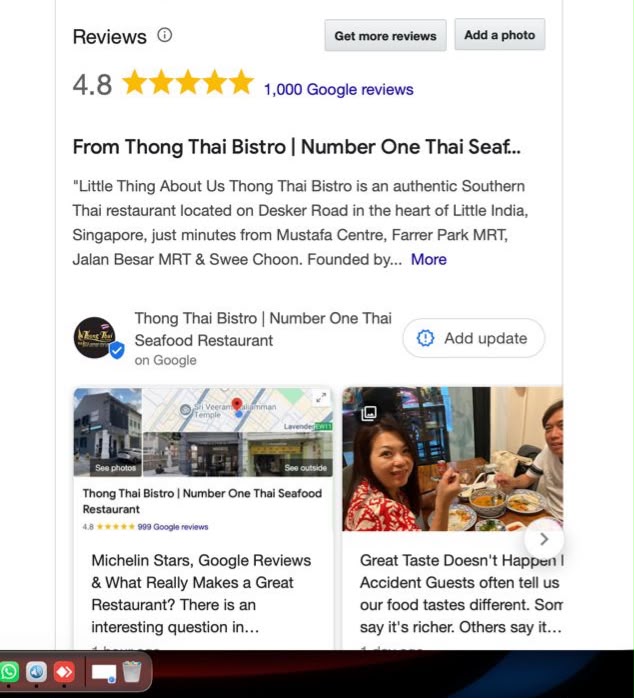
What Do Nearly 1,000 Google Reviews Tell You?

At Thong Thai Bistro, we have been fortunate to receive almost 1,000 Google reviews while maintaining a rating around 4.8 stars.

We’re incredibly proud of that.

Why?

Because 4.8 from a handful of reviews is one thing.

Maintaining approximately 4.8 as the number of reviews approaches 1,000 is considerably more difficult.

Every new customer becomes part of that average.

Every experience counts.

And unlike a professional restaurant inspection, our Google reviews come from the people who actually chose to spend their money with us.

They tell us what they really thought.


Customers Judge Much More Than Food

Read through our reviews and you’ll notice something interesting.

Our guests don’t only talk about food.

They talk about Indi.

They talk about Chef June.

They talk about hospitality.

They talk about our recommendations.Tom Yum Soup

They talk about the atmosphere.

They talk about fresh seafood.

They talk about vegetarian choices.

They talk about the spice levels.

They talk about celebrations and family dinners.

They talk about the experience.

That’s important to us because we never wanted Thong Thai Bistro to be simply a place where someone eats a plate of Thai food and leaves.

We want people to feel welcomed.


Fresh Ingredients Matter

There is another recurring theme in our reviews: freshness.

Our vegetables are purchased daily.

Our seafood is personally selected according to quality and freshness.

Chef June rejects ingredients that don’t meet her standards.

And dishes are prepared after they are ordered.

That approach costs more.

It takes more labour.

It isn’t always the easiest way to operate a restaurant.

But we believe fresh ingredients make better food.

And ultimately, that is what we want our customers to experience.


So Which Rating Should You Trust?

The honest answer is:

Look at both—but understand what they mean.

A Michelin Star tells you that professional inspectors have recognised a restaurant according to Michelin’s standards.

Google Reviews tell you what a large number of customers thought about their actual experiences.

Neither should automatically replace the other.

If you’re looking for a technically exceptional culinary experience, Michelin can be an excellent guide.

If you’re looking for somewhere to spend an evening with your family, friends or colleagues, customer reviews can tell you something else that is equally important:

What is it actually like to eat there?


We Are Proud of What Our Guests Say

We don’t claim to be the cheapest Thai restaurant in Singapore.

We don’t try to be.

We use fresh ingredients, fresh seafood and prepare our food to order. That comes with a cost, and we’ve always tried to be transparent about our pricing.

But we are extremely proud when our customers tell us that the experience was worth it.

Almost 1,000 reviews.

Around 4.8 stars.

Thousands of individual dining experiences.

That’s not something we can manufacture.

It’s built one table at a time.


Michelin Recognition and Customer Recognition Are Different

Perhaps the best way to look at it is this:

Michelin recognition is an honour.

Customer recognition is a responsibility.

A Michelin Star, when earned, is something a restaurant can celebrate.

But when almost 1,000 customers continue to leave positive reviews, that creates another kind of responsibility.

It tells us that we have to keep doing what brought those customers through the door in the first place.

Fresh food.

Authentic Thai flavours.

Careful preparation.

Warm hospitality.

And, hopefully, another reason for you to come back.

Why High-Quality Ingredients Make Better Thai Food

Why High-Quality Ingredients Make Better Thai Food


People often ask us why our food tastes different from many other Thai restaurants.

Some think it’s a secret recipe.

Others believe it’s the spices.

The truth is much simpler.

Great taste begins long before the cooking starts.

Quality Begins With Fresh Ingredients

At Thong Thai Bistro, every ingredient has a purpose.

Fresh vegetables are delivered daily because vegetables lose their flavour and texture over time. Chef June carefully checks every delivery, and if the quality isn’t right, we don’t use it.

Fresh herbs such as lemongrass, galangal, kaffir lime leaves, Thai basil and chillies give Southern Thai cuisine its unmistakable aroma. When these ingredients are fresh, they don’t need much help to shine.

Fresh Seafood Makes All the Difference

Seafood is one of the biggest reasons guests notice the difference in our cooking.

Fresh prawns are naturally sweet.

Fresh fish has a delicate texture remains tender instead of becoming rubbery.

That’s why we carefully source our seafood and never compromise on quality. Every seafood dish should allow the freshness of the ingredient to be the hero of the plate.

Quality Ingredients Need Less Disguise

One of the wonderful things about authentic Thai cooking is that fresh ingredients don’t need to be hidden behind heavy sauces or excessive seasoning.

Instead, Chef June focuses on balance.

Sweet.Thai food

Sour.

Salty.

Spicy.

Each flavour supports the others without overpowering the main ingredient.

When the ingredients are fresh, nature has already done much of the work.

Quality Is Hundreds of Small Decisions

People sometimes imagine there’s one secret behind a memorable meal.

There isn’t.

It’s the decision to reject vegetables that aren’t fresh enough.

It’s the decision to source better seafood.

It’s the patience to cook every dish only after it’s ordered.

It’s refusing shortcuts even when they would save time and money.

These are the small decisions guests rarely see, but they experience them with every bite.

Our Philosophy

We’re fully aware that we’re not the cheapest Thai restaurant in Singapore.

That has never been our goal.

Our goal is much simpler—to serve authentic Southern Thai food made with fresh ingredients, cooked with care, and shared with genuine hospitality.

For us, quality isn’t a marketing slogan.

 It’s a promise we make every day to every guest who walks through our doors to dine in or takeaway.

Why Fresh Ingredients Cost More – The Story Behind Every Plate at Thong Thai Bistro

Why Fresh Ingredients Cost More – The Story Behind Every Plate at Thong Thai Bistro

Many guests notice that our prices are a little higher than the average Thai restaurant in Singapore.

They’re right.

But there is a reason.

At Thong Thai Bistro, we don’t compete on being the cheapest. We compete on serving the freshest and most authentic Southern Thai food we possibly can.

Fresh Vegetables Every Single Day

Every morning, fresh vegetables arrive at our restaurant.

We don’t buy vegetables that have already been washed, cut or prepared for convenience. Chef June prefers selecting whole vegetables because freshness directly affects both flavour and texture.

If the vegetables don’t meet our standards, we reject them.

Even though our daily orders often fall below suppliers’ minimum order quantities, we still pay extra delivery charges because receiving fresh produce every day is more important than saving a few dollars.

Fresh Seafood Isn’t Ordered Blindly

Seafood is one area where Chef June refuses to compromise.

Instead of relying on a single supplier, we personally source seafood from wherever we find the freshest quality available.

That sometimes means paying more.

It sometimes means changing suppliers.

And occasionally it means saying “no” to seafood that simply doesn’t meet our expectations.

Our loyalty has never been to suppliers.

Our loyalty has always been to our guests.

Every Dish Starts Only After You Order

Fresh ingredients are only part of the story.

Every curry, stir-fry, soup and salad is prepared after your order is placed.

Vegetables are cut fresh.

Seafood is cooked fresh.

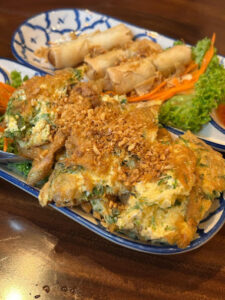
Herbs are added at exactly the right moment.Climbing wattle egg

Nothing sits under heat lamps waiting to be served.

Why We Do It

Could we reduce our costs?

Of course.

We could purchase cheaper ingredients.
We could prepare vegetables days in advance.
We could simplify our cooking.

But then the food would no longer represent Chef June’s family recipes or the authentic Southern Thai flavours we want to share.

That isn’t the restaurant we set out to build.

At Thong Thai Bistro, we believe every guest deserves food prepared with fresh ingredients, careful attention and genuine pride.https://thongthaibistro.com/celebrations-group-dining/

Sometimes quality costs a little more.

We believe it’s worth every bite.

Takeaway – Reservations – Anniversary 

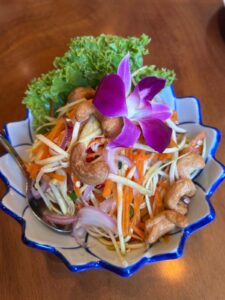
Fresh Thai Mango Salad in Singapore – Why We Shred Every Mango to Order

Fresh Thai Mango Salad in Singapore – Why We Shred Every Mango to Order

When people order Thai Mango Salad, they often see only the finished dish.

What they don’t see is how it begins.

At Thong Thai Bistro, every serving starts with a whole fresh green mango. Chef June peels and hand-shreds the mango only after your order is placed.

Why?Mango Sticky Rice

Because freshness makes all the difference.

A green mango that has just been shredded is naturally crisp, juicy and full of flavour. Leave it sitting for hours and it begins to lose its crunch and freshness. While preparing mangoes in advance may save time, we believe it compromises the dining experience.

The same philosophy guides everything we do.

Our vegetables are delivered fresh daily. Our seafood is carefully selected for quality and freshness. Every dish is cooked fresh to order because authentic Thai cooking deserves that extra attention.

Our Thai Mango Salad is then tossed with authentic Thai seasonings, herbs and vegetables to create a perfect balance of sweet, sour, salty and spicy flavours that Thailand is famous for.

Sometimes the smallest details are the ones guests never notice—but they are often the reason a dish tastes so fresh.

At Thong Thai Bistro, we believe every great meal starts with quality ingredients and the willingness to prepare them properly.

If you’re looking for a truly authentic Thai Mango Salad in Singapore, we’d love to prepare one fresh just for you.

For RESERVATION or TAKEAWAYS